
 The Deepwater Horizon oil spill in the Gulf of Mexico has prompted a flurry of queries from members of the UK Defence Club about safe ports, time and voyage charterparties and hull fouling. The Club has responded with advice in its latest ‘Soundings’ bulletin while acknowledging that the situation—and official requirements—can change suddenly.
At present, the main shipping lanes towards the Mississippi appear to be clear of oil. The US Coast Guard has advised it has no plans to restrict traffic using the Southwest Pass, the river’s main channel for commercial shipping but the oil spill area is under constant surveillance.
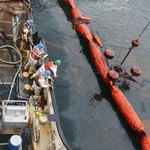
The Coast Guard has organised two ship cleaning stations near Southwest Pass where ships fouled by oil stains should stop for cleaning before proceeding into the river. It has placed restrictions on three other passes to the Mississippi and imposed a “no wake zone” near the booms deployed to help protect sensitive coastal areas from the spill.
Although there are no court decisions on the point, a port could be considered as unsafe if its approaches are covered with oil which could damage a ship or cause it to incur penalties, delays or fines. Assessing whether a port is unsafe is a question of fact but if the danger can be avoided by an alternative safe route or good seamanship, it is unlikely the port will be considered unsafe.
Gulf of Mexico ports close to the oil spill may not be considered as sufficiently unsafe to allow an owner to refuse an order to go to such a port under a time charter or refuse such a nomination under a voyage charter. Nevertheless, acceptance of such an order should not normally preclude an owner from claiming damages later for losses resulting from the oil.
Delays are likely to occur. A master might take a longer route to a Gulf of Mexico port to avoid an oil slick, perhaps to comply with USCG requirements. Moreover, a port may be temporarily closed as the slick develops. In these situations, a ship is likely to remain on-hire unless there are specific clauses to the contrary in a time charterparty.
Restrictions imposed on shipping might cause delays in entering and departing from ports in the area. Much will depend on the wording of each charter. Unless demurrage is already running, the risk of delay will fall initially on the owner. However, if a nominated port becomes closed prior to its arrival, the ship may earn demurrage once she proceeds “so near as she may safely get.”
Ships trading recently in the Gulf’s affected areas should ensure there is no hull fouling before entering ports outside the area, thereby complying with oil pollution regulations. In terms of compensation for cleaning costs or lost time, an owner may have a claim against a time charterer under an implied indemnity for following the charterer’s orders, or perhaps under a safe port warranty. Claims might be submitted to BP and others. However, claimants should consider the likelihood of any recovery given limitations of liability currently in place in the US. (contributed article)

