
by admin | Jul 7, 2015 | Latest Post, Marine Accidents and Safety
Bleeding hearts we are not. We believe that those who, through their negligence, cause serious maritime accidents should be punished. Even so, we find it a bit unsettling to hear cries for blood after a ferry tragedy. (more…)
by Barista Uno | Jan 30, 2015 | Marine Accidents and Safety, Seafarers' Rights and Welfare
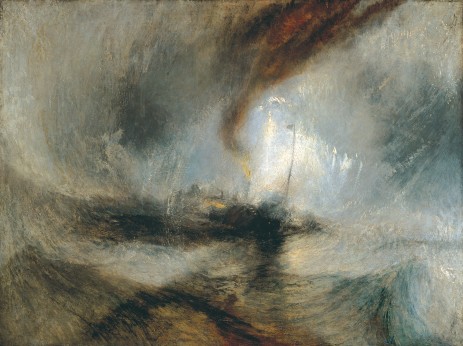
Snow Storm: Steam-Boat off a Harbour’s Mouth
Oil on canvass, circa 1842, by Joseph Mallord William Turner
“He that will learn to pray, let him go to sea,” wrote the 17th-century British poet and priest, George Herbert. Those words ring louder following the spate of sea disasters that greeted the start of 2015. Unlike other writers, we won’t ask why maritime accidents still happen or how shipping can be made safer. Let the IMO bigwigs and self-styled marine safety gurus wrestle with those issues. We’ll just ask one simple question: If the sea remains a dangerous place and seafaring a dangerous profession, how come there isn’t more empathy toward seamen? (more…)

by Barista Uno | May 4, 2012 | Latest Post
What’s with “the human element”?
There’s no escaping the catchword “the human element” in shipping. It’s become as ubiquitous as “sustainable shipping” – and necessarily so. Despite the advances in technology, maritime accidents continue to take a heavy toll on life and limb, not to speak of the environment. Time to shift the focus to “the human element” in the man-machine equation. Still and all, I don’t feel comfortable with the phrase and the reason has nothing to do with the usefulness of it. (more…)

